Florida Certified Roofing Contractor • License #CCC1336956 Verify on MyFloridaLicense.com
J&G Roofing LLC South Florida • Hurricane-Ready Roofing
Material Guide

Metal Roofing

Metal roofing delivers the ultimate combination of durability, energy efficiency, and hurricane resistance. Modern metal systems are engineered for extreme weather and 50+ year lifespans.

(239) 565-7734

Metal Roofing, Built Strong.

Metal roofs outperform conventional materials in Florida's harsh climate.

Extreme Durability

50-70 year lifespan typical. No organic materials to rot or decay. Resistant to cracking, shrinking, and erosion from salt air.

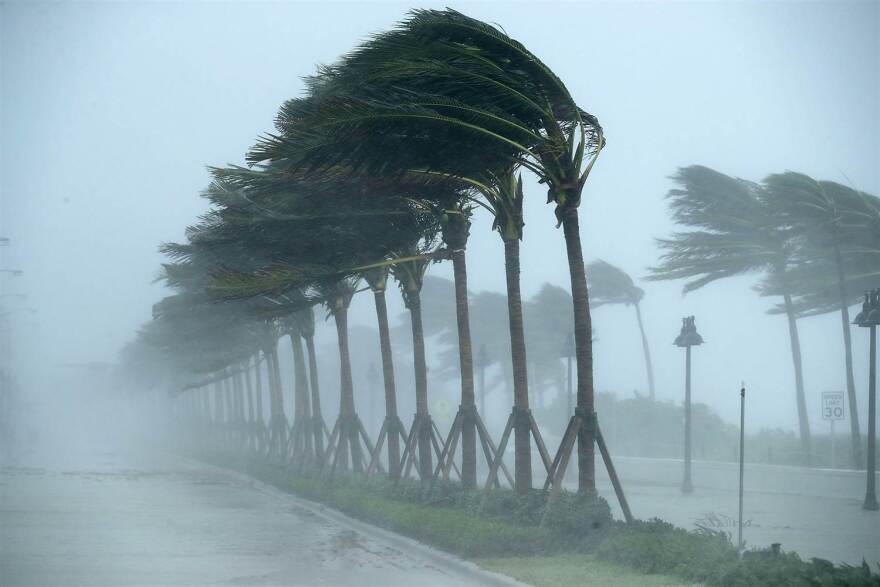
Superior Wind Resistance

Standing seam systems with concealed fasteners rated for 170+ mph winds. Interlocking panels and mechanical seams withstand extreme uplift forces.

Maximum Energy Efficiency

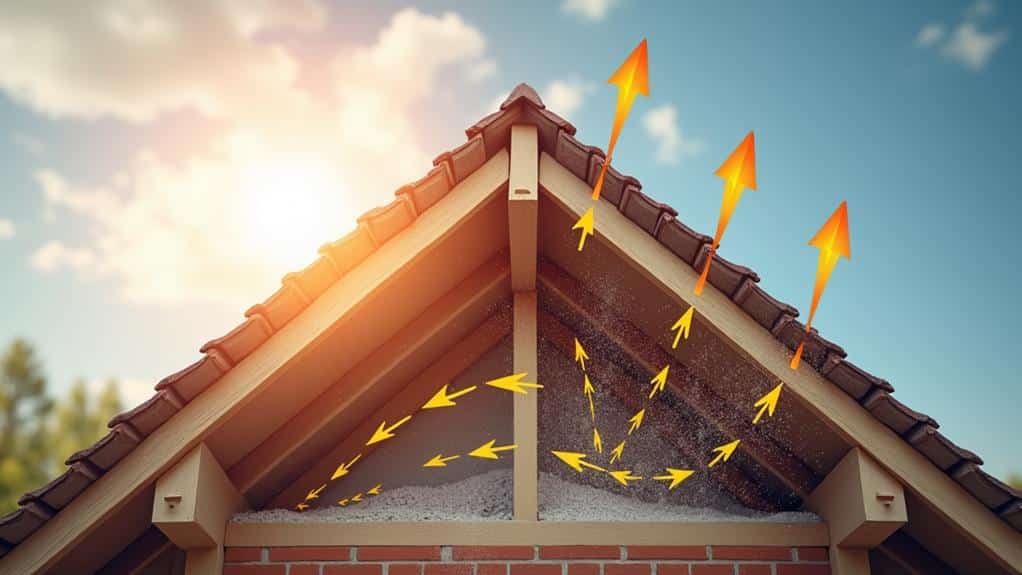
Reflective metal coatings reduce cooling costs by 25-40%. Cool roof ratings lower surface temperatures by 50-60°F compared to dark shingles.

ULTIMATE PERFORMANCE

The Strongest Defense Against Florida Weather

Metal roofing represents the cutting edge of roofing technology. With the highest wind ratings and longest warranties available, metal is engineered for extreme performance.

  • Industry-leading wind resistance (up to 170+ mph)
  • Reflects solar heat for maximum cooling savings
  • Lightweight design requires no structural reinforcement
  • Fire-resistant and non-combustible Class A rating
  • Eco-friendly with high recycled content and recyclability

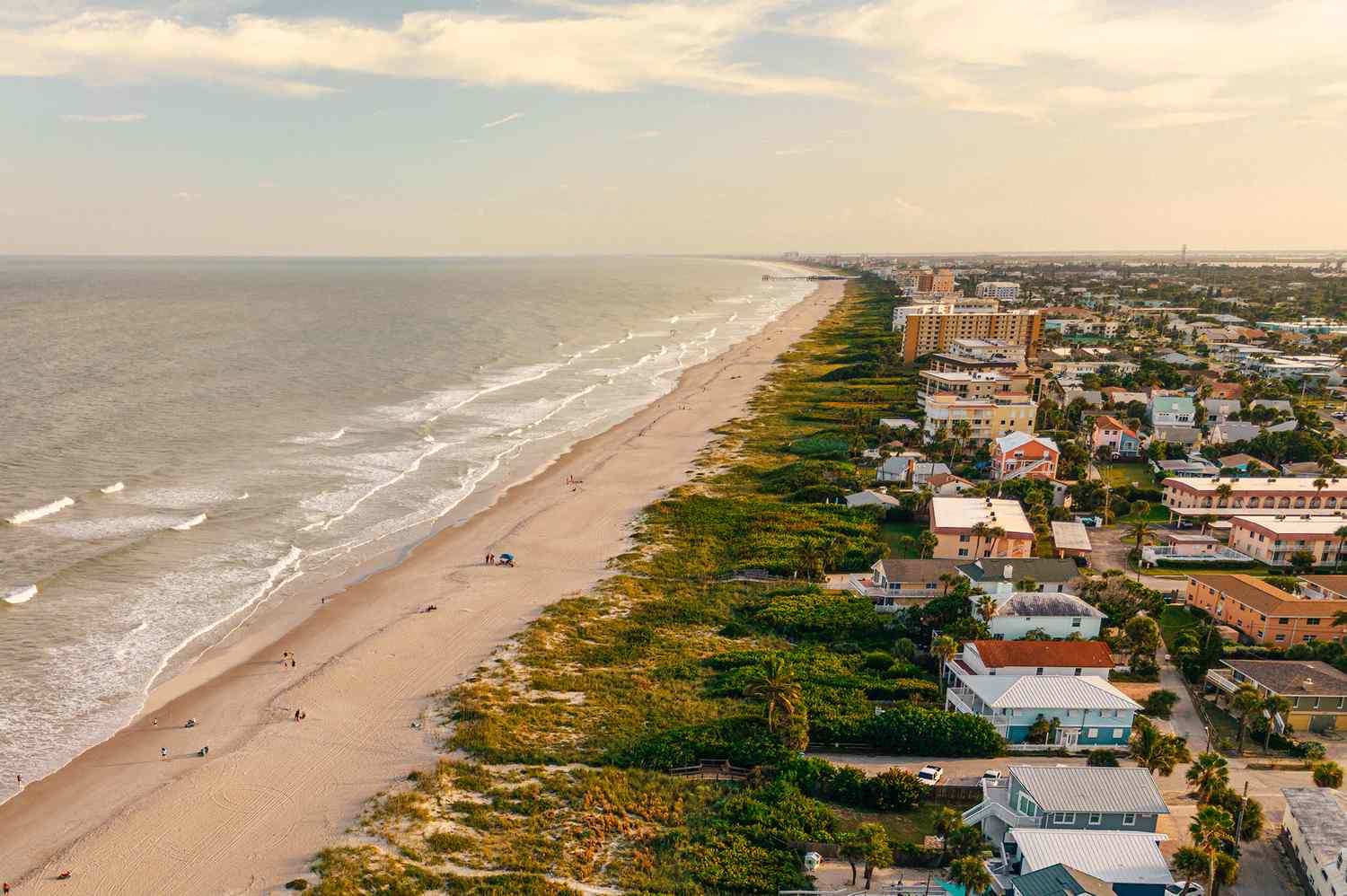
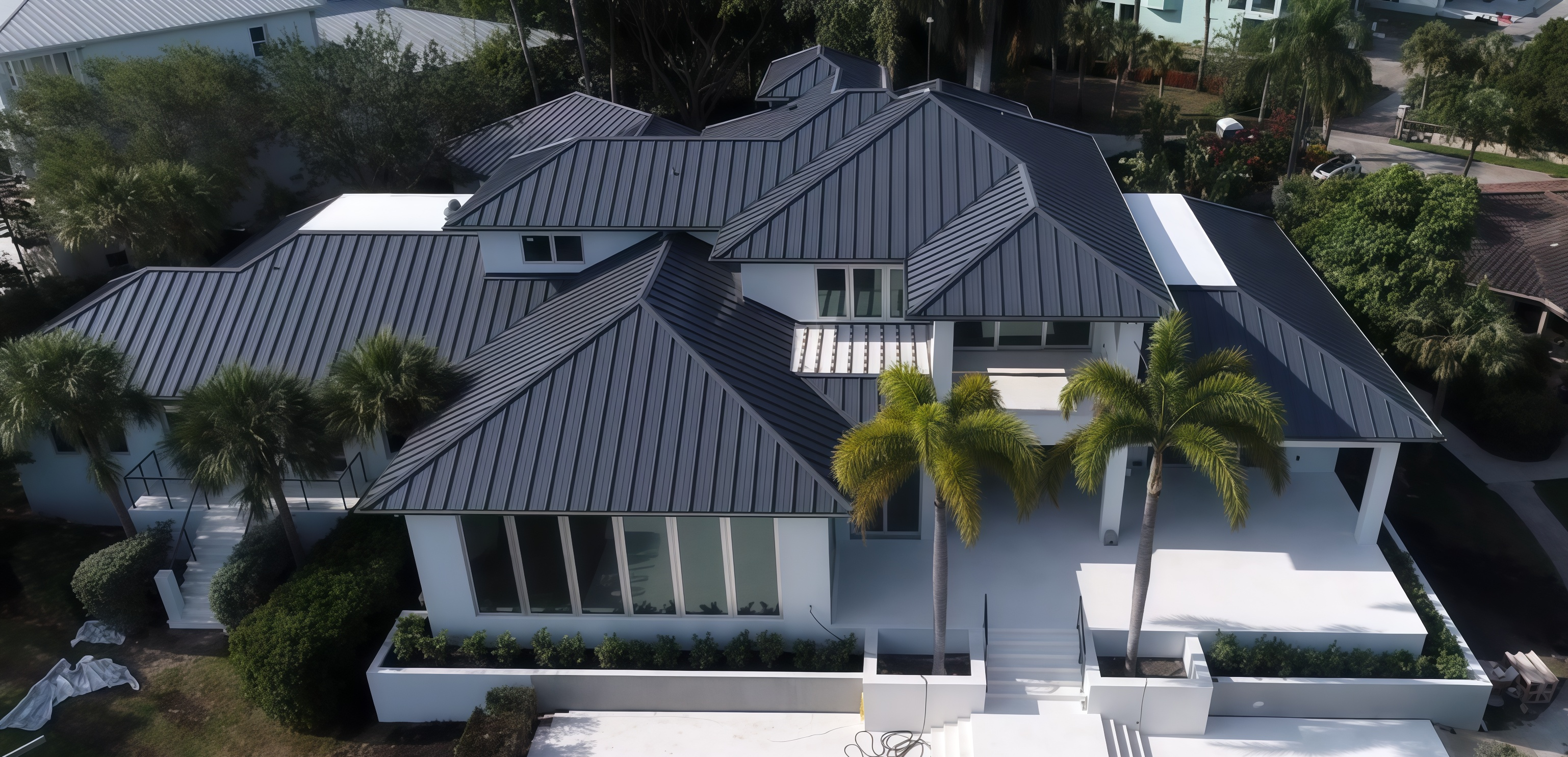
Standing seam metal roofs are the top choice for coastal properties, modern architecture, and homeowners who demand the absolute best in storm protection and energy efficiency.

Metal Roof Systems

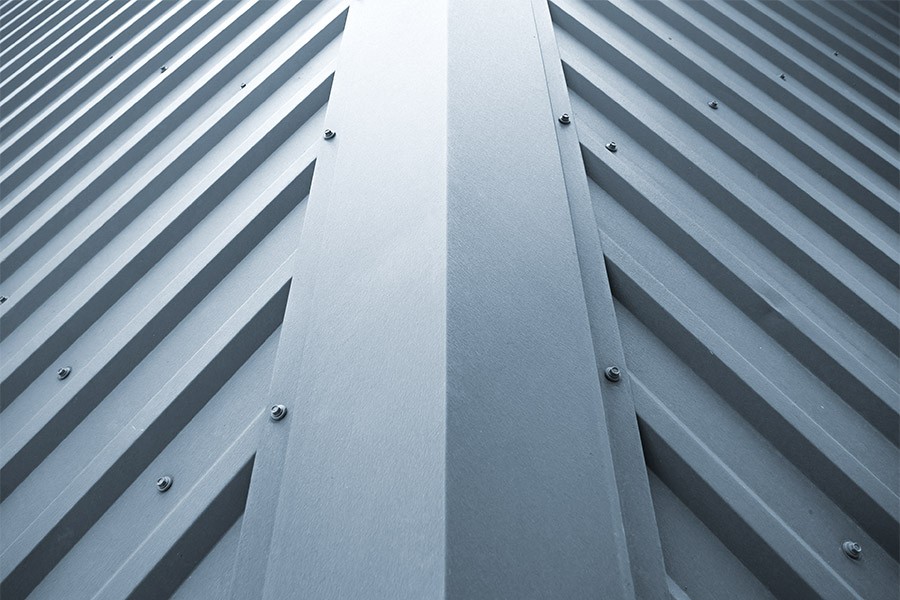
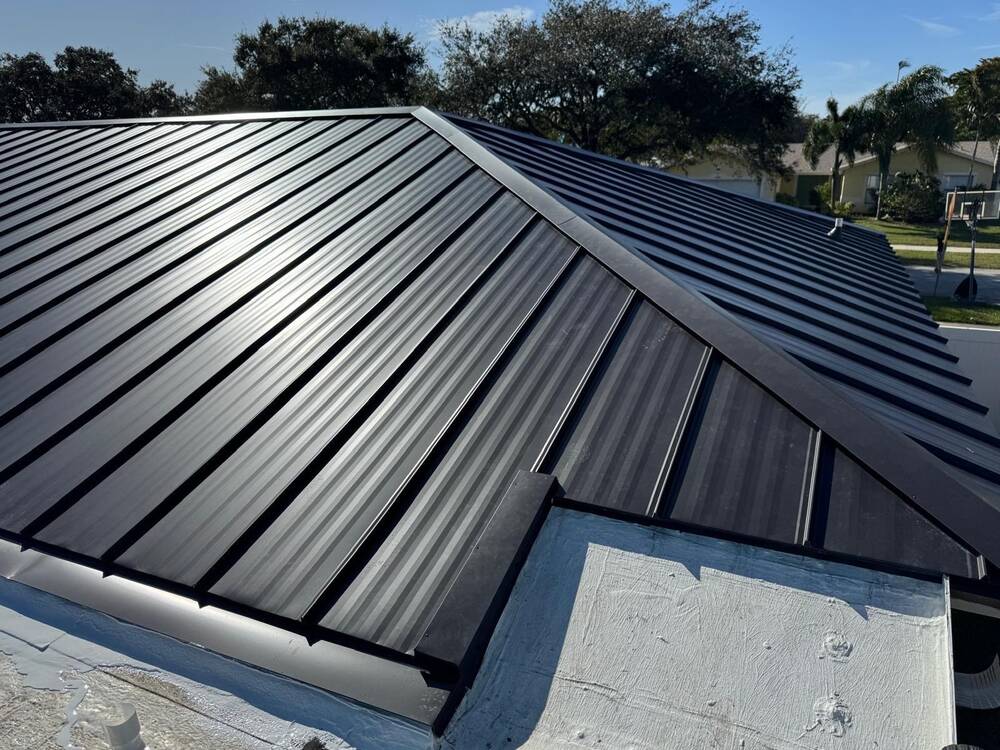
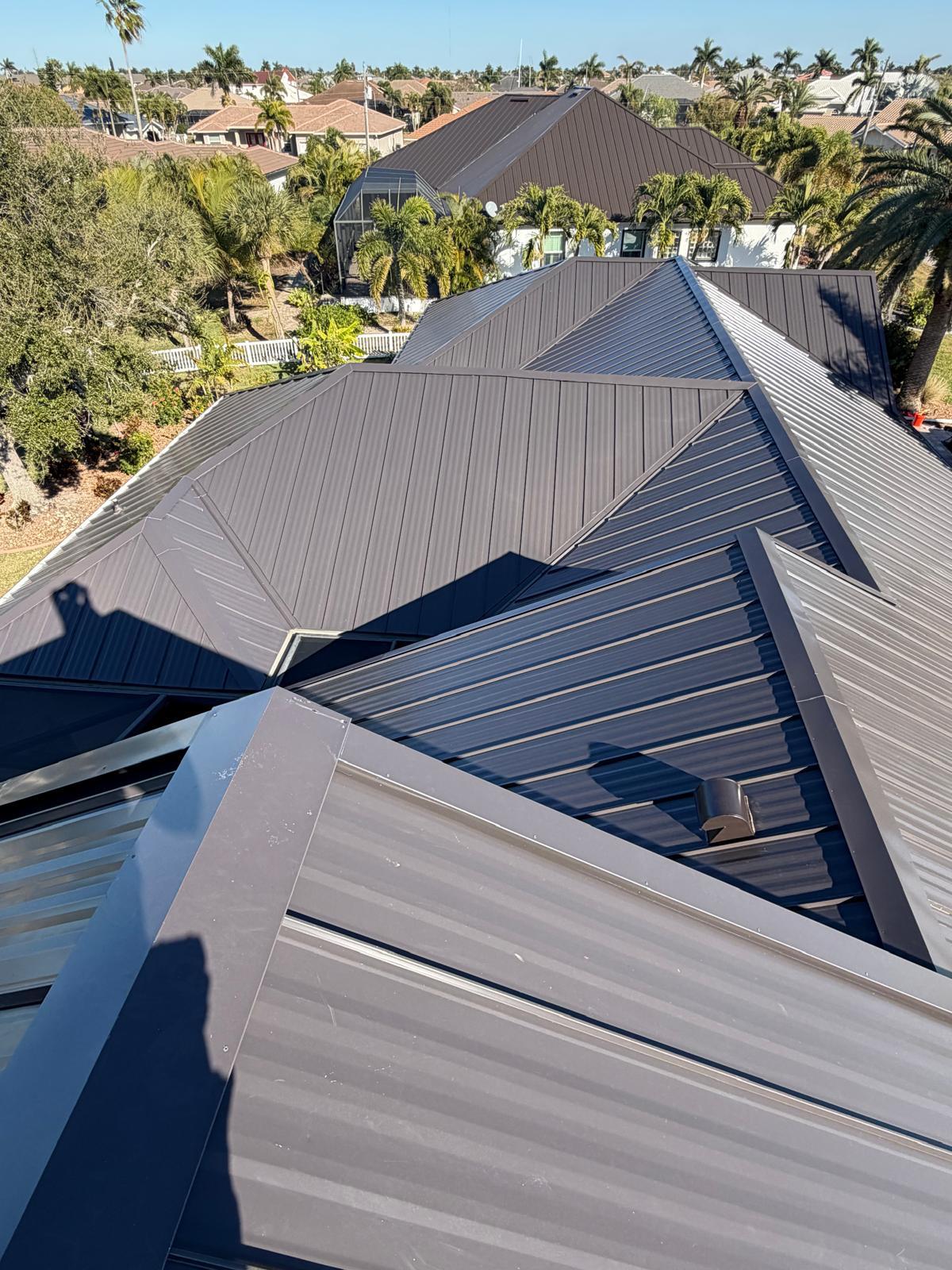
Standing seam metal roof

Standing Seam Metal

Premium metal roofing system with concealed fasteners and raised vertical seams. Best performance and aesthetics.

  • Vertical panel orientation (ribs run up/down slope)
  • Concealed clip fastening system
  • Mechanical or snap-lock seam connections
  • Highest wind ratings (170+ mph tested)
  • Panel widths: 12", 16", 18" typical
  • Clean, modern architectural look
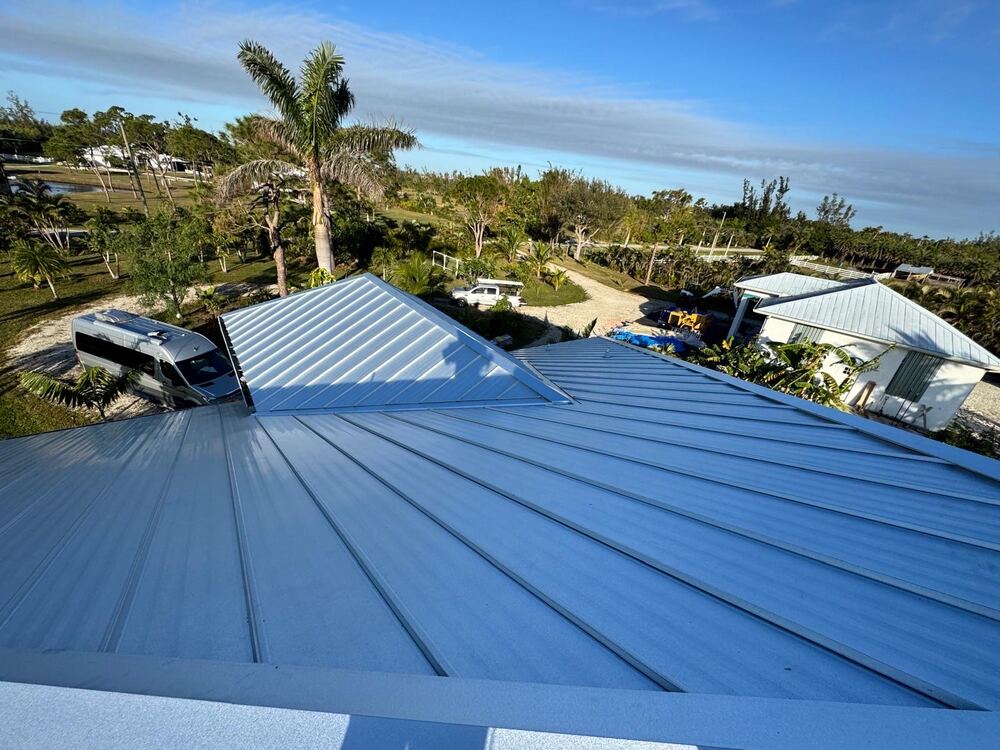
Screw-down metal panels

Screw-Down Metal Panels

More affordable exposed-fastener system. Good performance with proper maintenance. Common for agricultural and industrial buildings, some residential.

  • Panels screwed directly through face to deck
  • Rubber-sealed fasteners visible on roof
  • Lower upfront cost than standing seam
  • Wind ratings: 120-140 mph typical
  • Requires periodic fastener inspection/maintenance
  • More prone to leaks over time
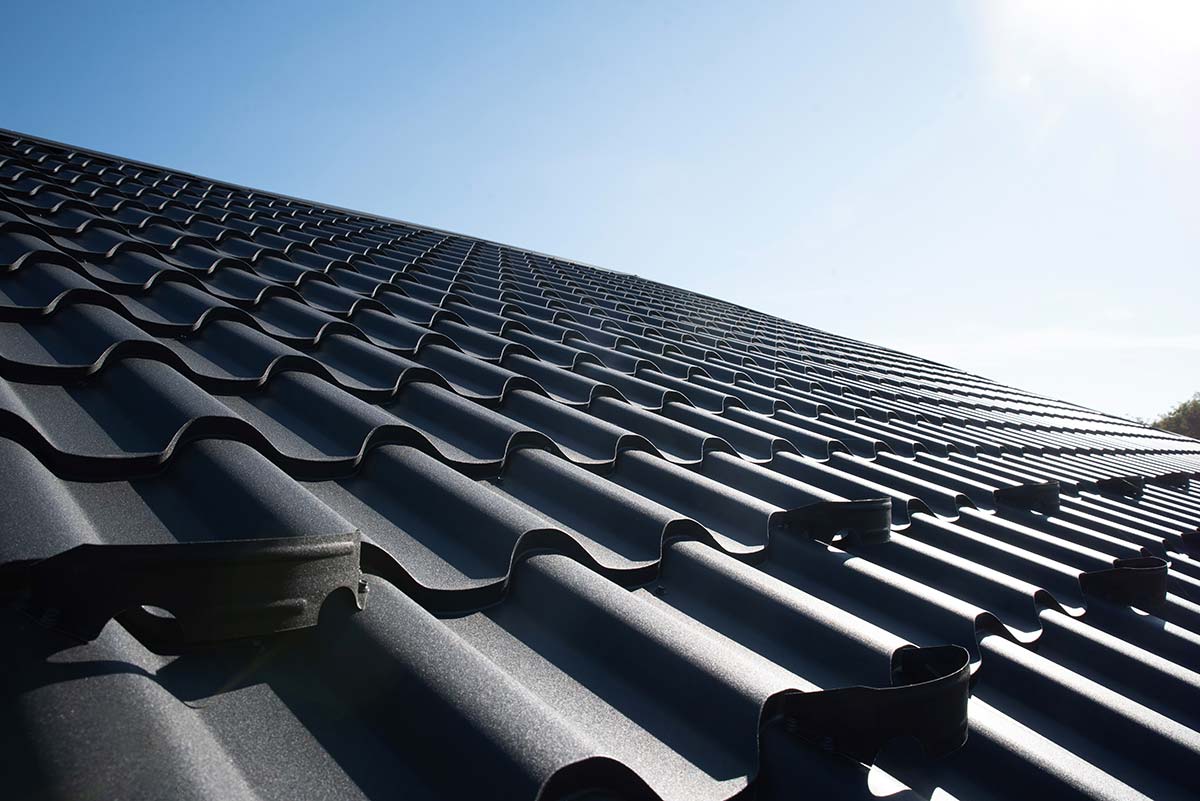
Metal tile and shingle profiles

Metal Tile & Shingle Profiles

Metal formed to resemble traditional roofing materials. Combines metal benefits with conventional aesthetic.

  • Steel or aluminum in tile/shake patterns
  • Lighter weight than actual tile
  • Interlocking panel design
  • Traditional look with metal performance
  • Good option for HOA restrictions

How Do You Know Which Metal System Is Right for You?

The right choice comes down to wind goals, maintenance preference, and how long you plan to keep the property.

Budget & Investment

Screw-down systems reduce upfront cost, while standing seam costs more initially but often lowers long-term maintenance risk.

  • Lower entry cost with screw-down panels
  • Premium long-term value with standing seam
  • Different maintenance profiles over time

Wind & Storm Protection

If maximum hurricane resilience is your priority, standing seam with proper clips and detailing is the highest-performance route.

  • Higher tested wind ratings
  • Concealed fasteners reduce leak risk
  • Strong uplift resistance in extreme weather

Material & Appearance

Choose aluminum near the coast for corrosion resistance, or steel inland for value and strength with broad style options.

  • Aluminum for coastal corrosion protection
  • Galvalume steel for cost-to-strength balance
  • Multiple profiles for modern or traditional looks

Metal Material Options

Aluminum

Coastal Ready
  • Corrosion Excellent
  • Weight Very Light
  • Cost Higher
  • Best Use Within 3 miles of ocean
  • Finish Options Factory-coated systems

Galvalume Steel

Best Value
  • Strength Excellent
  • Corrosion Very Good
  • Cost Moderate
  • Best Use Inland or moderate coastal
  • Finish Options Kynar/PVDF available

Paint & Finish Systems

Protection
  • Premium Finish Kynar 500/PVDF
  • Standard Finish Polyester/SMP
  • Energy Efficiency Cool Roof Coatings
  • Color Options Wide selection
  • Longevity 25-30+ year finishes

Installation Process

Metal roof installation requires specialized skills and proper technique for wind performance.

  1. 1

    Deck Preparation

    Ensure solid deck with proper fastening. Metal can be installed over existing shingles in some cases, or on solid deck with underlayment.

  2. 2

    Underlayment & Ventilation

    Install high-temperature synthetic underlayment (metal gets hot). Ensure proper ventilation to prevent condensation on underside of panels.

  3. 3

    Eave & Ridge Trim

    Install metal trim pieces at eaves, rakes, and ridges before field panels. Proper flashing critical for water management and wind resistance.

  4. 4

    Panel Installation

    Install panels from one edge, securing with concealed clips (standing seam) or fasteners (screw-down). Each panel interlocks with previous. Proper fastener spacing per manufacturer specs essential for wind rating.

  5. 5

    Seaming & Final Trim

    For standing seam, mechanically seam panels together with seaming tool. Install ridge caps, penetration flashings, and final trim pieces. Seal all penetrations.

Florida-Specific Considerations

Wind performance requirements

Wind Performance Requirements

High Velocity Hurricane Zones require tested and approved systems. Standing seam with properly spaced clips achieves highest wind ratings. Miami-Dade NOA or Florida Product Approval required in some counties.

Coastal corrosion resistance

Coastal Corrosion

Salt air accelerates corrosion. Within 3 miles of coast, aluminum strongly recommended. If using steel, specify marine-grade coatings and increase inspection frequency.

Thermal expansion in Florida heat

Thermal Expansion

Florida heat causes metal expansion/contraction. Standing seam systems accommodate movement through clip design. Fixed fastener systems must account for expansion to prevent oil canning and fastener failure.

Noise and insulation considerations

Noise & Insulation

Rain noise is common concern. Solid deck installation (vs open purlins) reduces noise significantly. Adequate attic insulation helps with noise and thermal performance.

Cost & Value Analysis

Metal roofing investment

Upfront Investment

Metal roofing costs 2-3x more than shingles initially, but offers superior long-term value.

  • Screw-down panels: $8-12 per sq ft installed
  • Standing seam: $12-18 per sq ft installed
  • Aluminum costs 20-40% more than steel
  • Complex roof configurations increase cost
Long-term metal roof savings

Long-Term Savings

  • Energy savings: $500-1,500/year on cooling
  • Insurance discounts for wind-resistant roofs
  • No re-roofing costs for 50+ years
  • Minimal maintenance requirements
  • Higher resale value
Metal roof return on investment

Return on Investment

Life-cycle cost analysis often favors metal despite higher upfront cost. When factoring longevity, energy savings, and avoided re-roofing, metal provides strong ROI over 30+ year ownership.

Frequently Asked Questions

Common questions about metal roofing in Florida

Metal roofs typically last 40-70 years in Florida, depending on the material. Aluminum can last 50+ years even in coastal areas. Galvanized steel lasts 40-60 years inland but may corrode faster near the coast without proper coatings. Standing seam systems last longer than screw-down due to better handling of thermal expansion. Warranties typically range from 30-50 years with proper maintenance.

Not significantly on residential installations. Metal over solid decking (plywood/OSB) with underlayment and attic insulation produces minimal noise—comparable to other roofing materials. The "tin roof" sound comes from metal over open purlins without insulation, which is rare in modern homes. Most homeowners report metal roofs are quieter than expected, especially during Florida's frequent afternoon thunderstorms.

Standing seam has concealed fasteners and mechanically seamed vertical ribs, allowing panels to expand/contract freely. It achieves highest wind ratings but costs more. Screw-down panels have exposed fasteners through the face, are more affordable, but fasteners must be maintained and can leak over time. For Florida, standing seam is preferred for coastal areas and premium installations, while screw-down works well for budget-conscious inland projects.

Properly coated metal roofs resist rust very well. Aluminum doesn't rust (it oxidizes harmlessly). Galvanized steel has zinc coating that protects the metal. Quality steel panels also have paint coatings (Kynar 500/PVDF) that provide additional protection. Coastal areas (within 3 miles of saltwater) should use aluminum or steel with marine-grade coatings. Regular inspection of fasteners and scratched areas prevents rust from starting.

Metal roofing installation

Ready for Your New Metal Roof?

Get a free estimate and system consultation. We'll discuss metal roofing options, installation process, and costs before any commitment.

Get in Touch

Service Area South Florida
License #CCC1336956
Call Now

Request Free Estimate

Call