Florida Certified Roofing Contractor • License #CCC1336956 Verify on MyFloridaLicense.com
J&G Roofing LLC South Florida • Hurricane-Ready Roofing
Material Guide

Tile Roofing

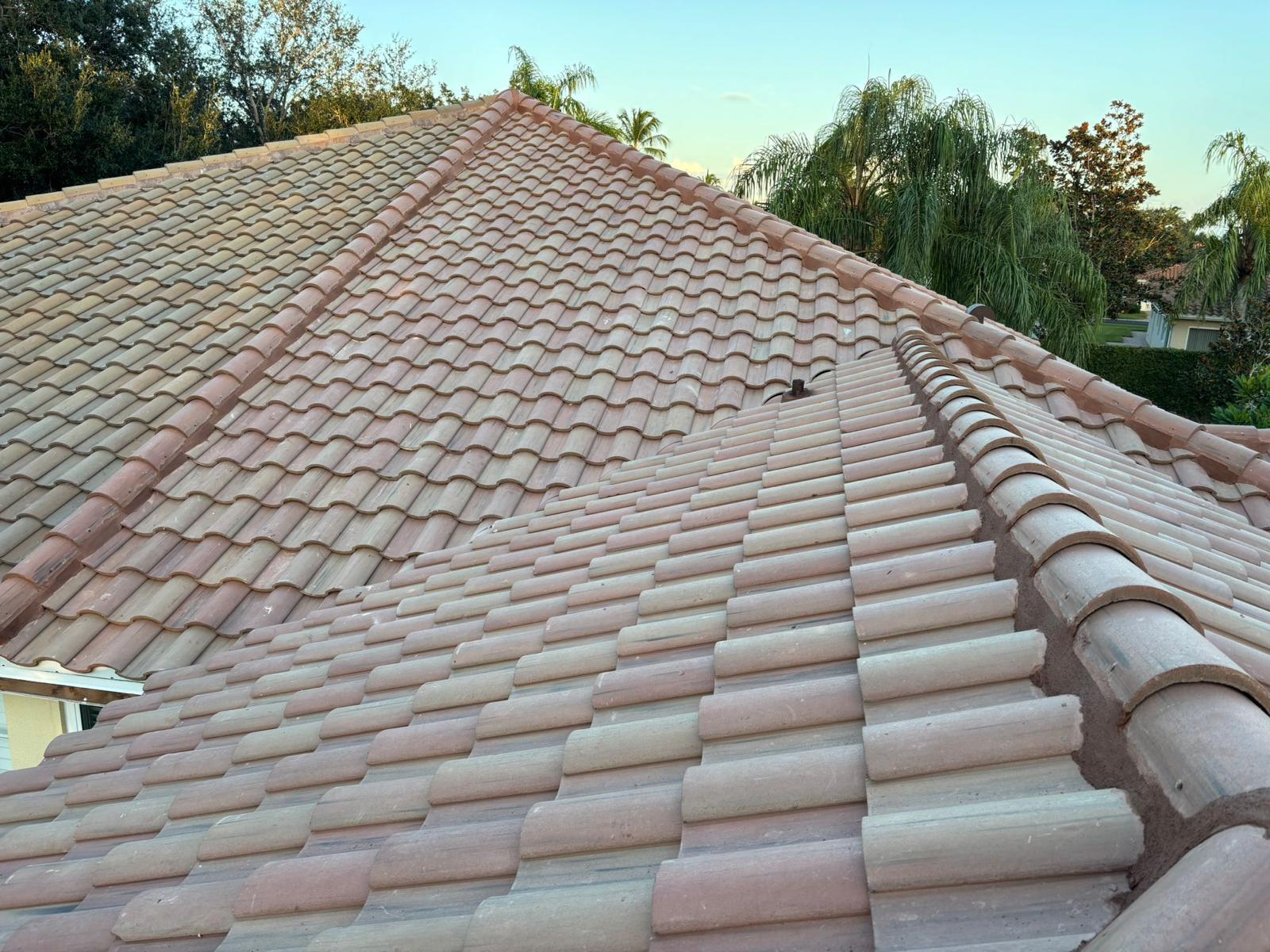
Tile roofing delivers exceptional durability, energy efficiency, and iconic Florida aesthetic. Natural resistance to wind, fire, and decay makes tile ideal for coastal living.

(239) 565-7734

Tile Roofing, Elevated.

Tile offers unmatched longevity and performance in Florida's demanding climate.

Exceptional Lifespan

Concrete tile lasts 40-50+ years, clay tile can exceed 75-100 years. Best long-term value despite higher upfront cost.

Hurricane Performance

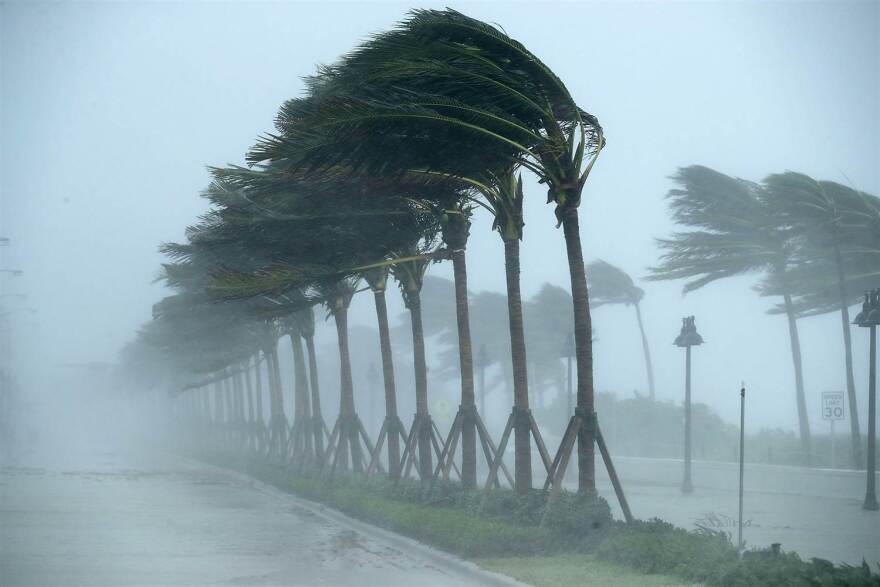
When properly installed with mechanical fasteners and foam adhesive, tile roofs withstand extreme wind events better than most materials.

Energy Efficiency

Thermal mass and air gap beneath tiles reduce heat transfer, lowering cooling costs by 20-30% compared to shingles.

PREMIUM CHOICE

The Most Durable Option for Florida

Tile roofing has protected Florida homes for over a century. Its proven longevity and superior performance make it the ultimate investment for homeowners planning to stay long-term.

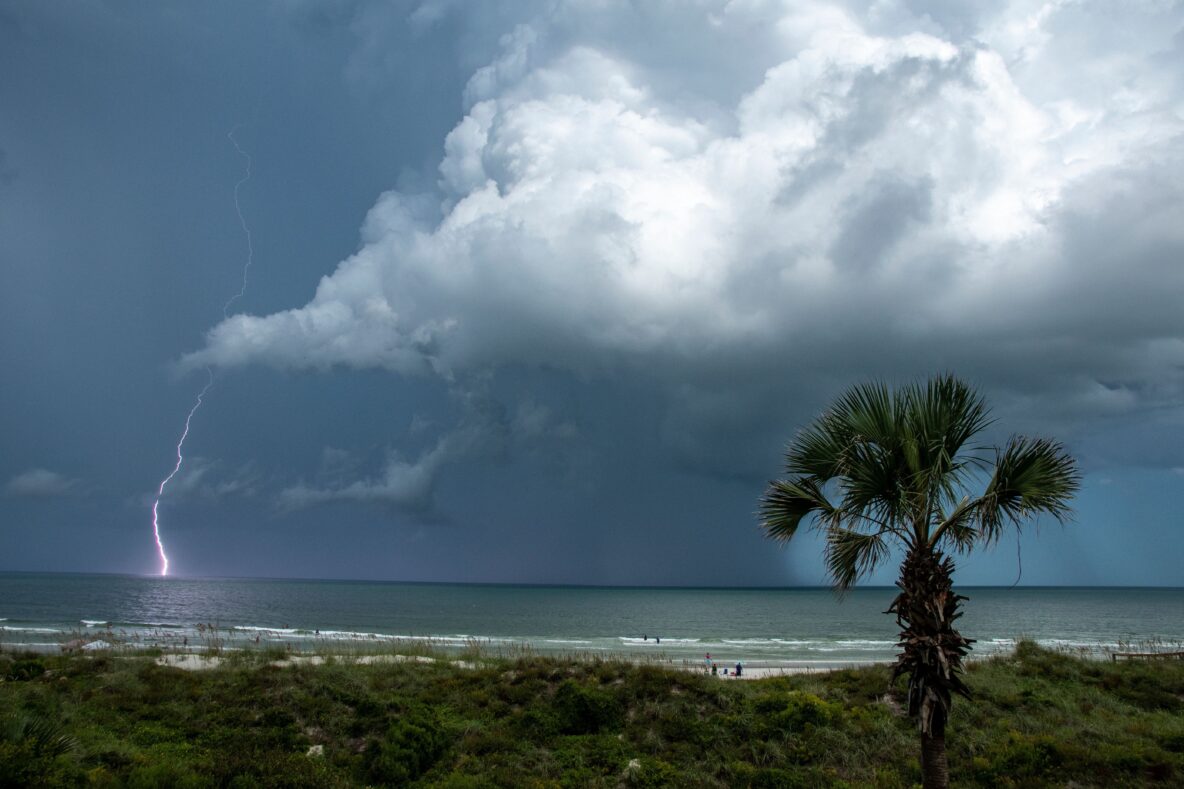
  • Withstands Florida's intense UV exposure and salt air
  • Fire-resistant Class A rating for maximum safety
  • Increases home value with timeless curb appeal
  • Individual tiles easily replaceable when damaged
  • Lowest lifecycle cost when factoring in longevity

Whether you choose concrete or clay, tile delivers decades of reliable protection with minimal maintenance, making it ideal for coastal and high-end properties.

Tile Types & Profiles

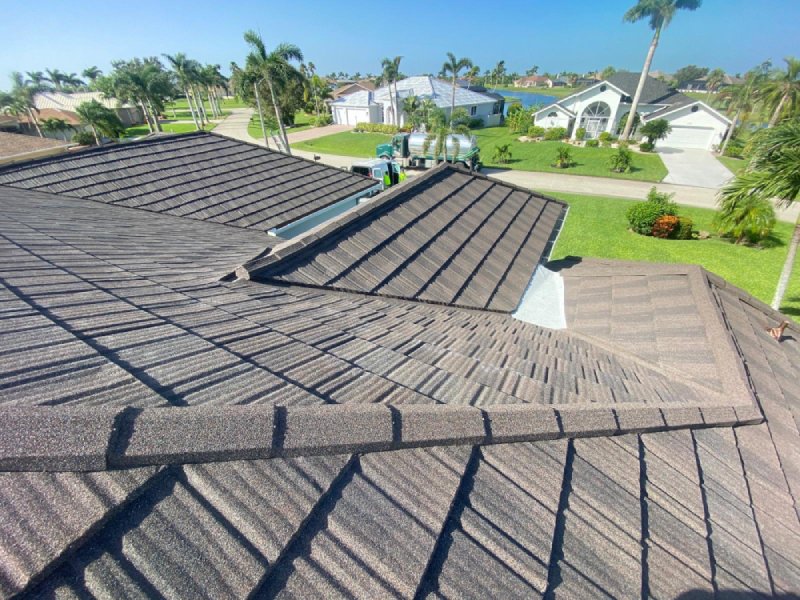
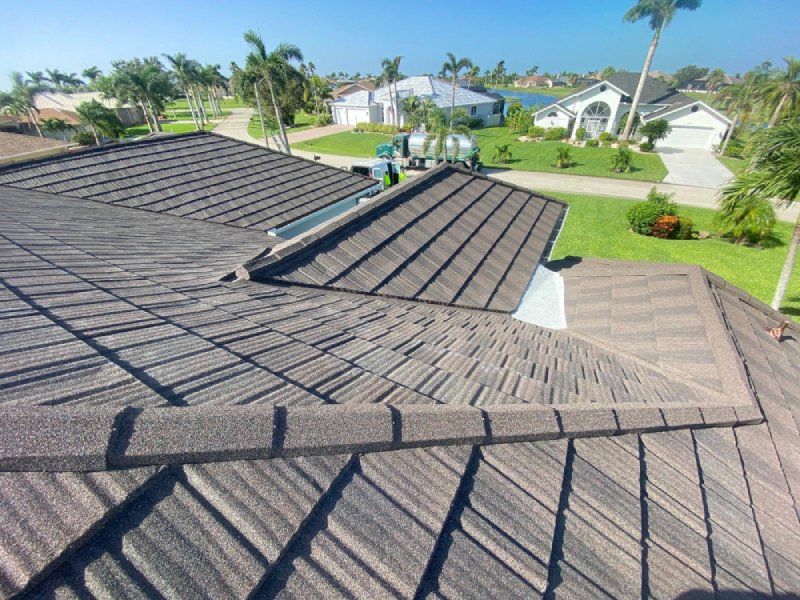
Concrete tile roof

Concrete Tile

Most popular tile option in Florida. Made from portland cement, sand, and water. Cost-effective with excellent performance.

  • 40-50 year lifespan typical
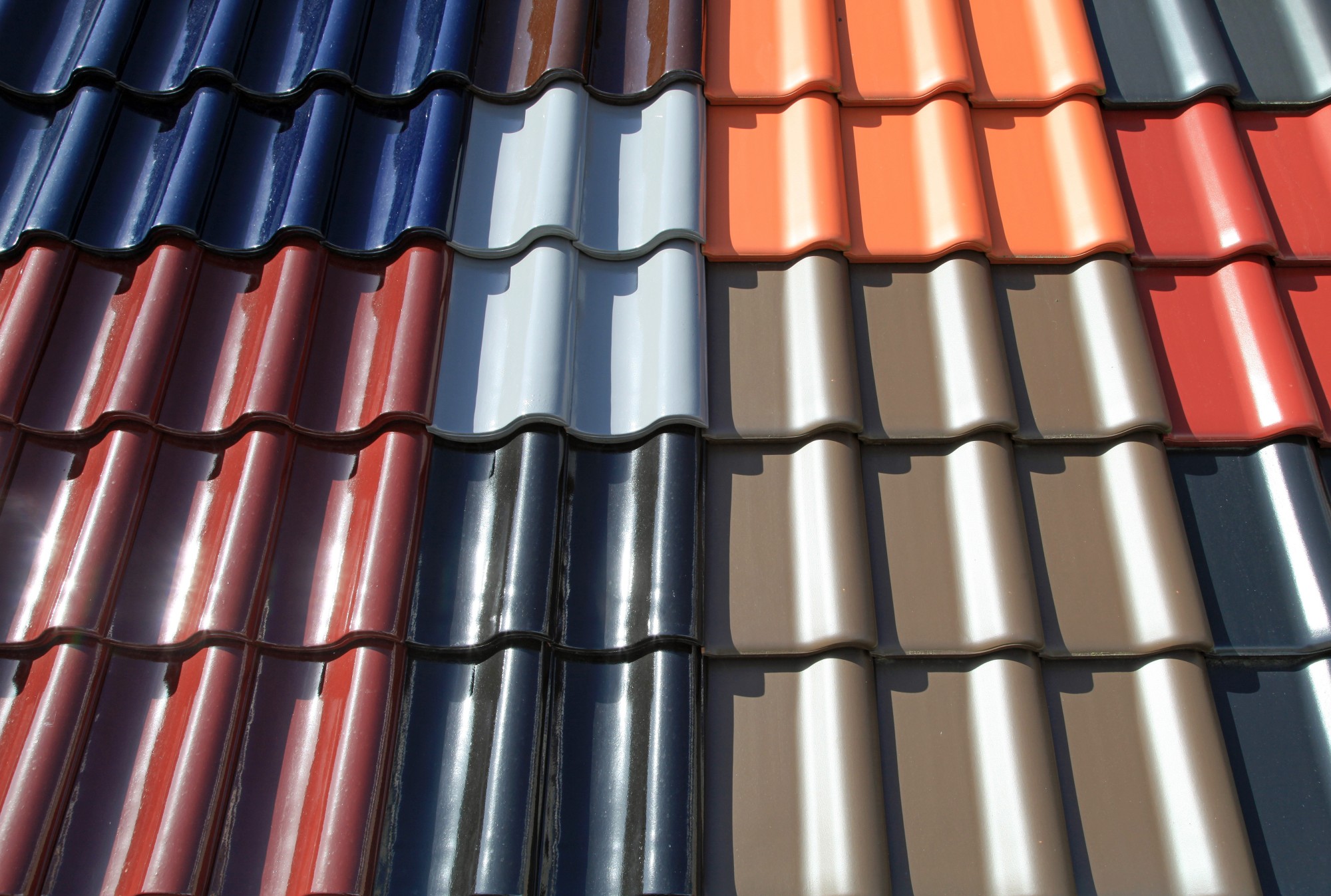
  • Wide color selection (pigmented or coated)
  • Lower cost than clay
  • Weight: 8-10 lbs per square foot
  • Common profiles: S-tile, flat, high-barrel
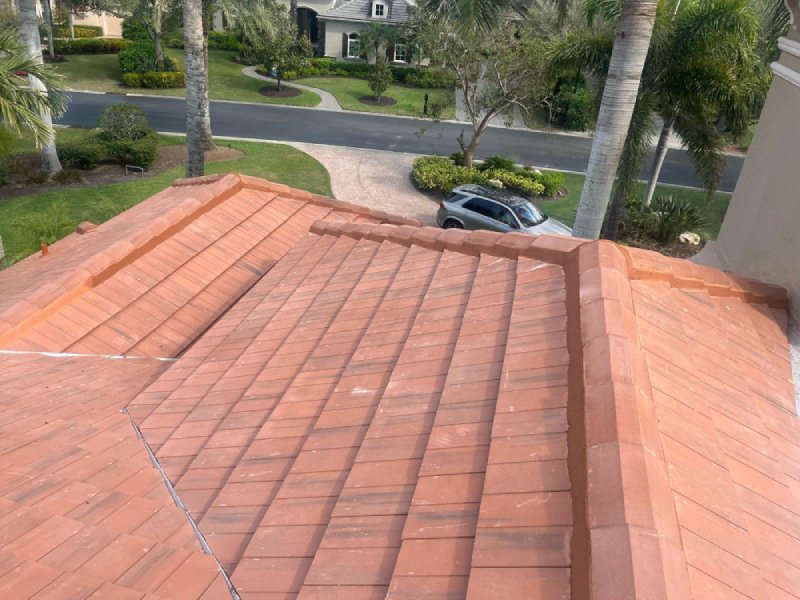
Clay tile roof

Clay Tile

Premium natural material with unmatched durability. Fired clay provides superior color retention and longevity.

  • 75-100+ year lifespan
  • Natural terracotta or glazed finish
  • Higher upfront cost
  • Weight: 8-15 lbs per square foot
  • Classic Spanish and Mission profiles
Different tile profile options

Profile Options

Tile shape affects aesthetics, water shedding, and installation complexity.

  • S-Tile: Interlocking wave pattern, most common
  • Flat/Shake: Low-profile modern look
  • Barrel/Mission: Traditional Spanish style
  • High-Barrel: Enhanced water shedding

How Do You Know Which Tile Option Is Right for You?

Your best fit depends on structural capacity, long-term ownership goals, and the look you want for the home.

Budget & ROI

Concrete tile usually provides the strongest value for homeowners who want tile performance without clay-level cost.

  • Lower upfront cost than clay
  • Excellent durability for Florida climate
  • Strong long-term replacement value

Longevity & Performance

Clay is the premium lifespan option, while concrete remains a high-performing system when properly installed.

  • Clay can reach 75-100+ years
  • Concrete commonly reaches 40-50+ years
  • Both perform well in heat and storms

Style & Profile

Profile choice changes curb appeal significantly, from clean modern flat tile to classic Spanish barrel shapes.

  • Flat tile for modern homes
  • S-tile for balanced traditional look
  • Barrel/Mission for Mediterranean style

Installation Process

Tile installation requires specialized technique and attention to Florida wind codes.

  1. 1

    Structural Verification

    Engineer evaluates roof framing capacity for tile weight. Issue stamped letter confirming adequacy or specifying reinforcement.

  2. 2

    Underlayment System

    Install two layers of underlayment for secondary water barrier. Self-adhering membrane in valleys and vulnerable areas, synthetic in field.

  3. 3

    Battens & Fasteners

    Install horizontal battens for proper tile spacing and drainage channels. Use mechanical fasteners (screws or clips) rated for tile weight and wind loads.

  4. 4

    Tile Installation

    Set field tiles from eaves to ridge with proper overlap and headlap. Every tile mechanically fastened per code (High Velocity Hurricane Zone requires one fastener per tile minimum).

  5. 5

    Foam & Seal

    Apply polyurethane foam adhesive at perimeter and ridge areas for enhanced wind resistance. Install ridge and hip tiles with mortar or dry-set systems.

Florida-Specific Considerations

Hurricane zone requirements

High Velocity Hurricane Zone

Broward and Miami-Dade counties require HVHZ Product Approval with tested wind ratings. Every tile must be mechanically fastened, foam adhesive required at roof edges.

Wind testing and ratings

Wind Testing & Ratings

Tiles tested as complete assembly (tile + fastening + foam) for wind uplift resistance. Look for Miami-Dade NOA or Florida Product Approvals.

Tile color selection

Color Selection

Lighter colors reflect more heat and stay cooler. Blended or tumbled finishes hide algae and aging better. Consider HOA requirements for color and profile restrictions.

Frequently Asked Questions

Common questions about tile roofing in Florida

Concrete tiles typically last 40-50 years in Florida, while clay tiles can last 50-100+ years. The tiles themselves are extremely durable, but the underlayment needs replacement every 20-30 years. Proper maintenance and periodic re-fastening can extend tile life even further. Many historic Florida homes still have their original clay tiles from the 1920s-1940s.

Tile roofs weigh 800-1000 lbs per square (10x heavier than shingles). Most Florida homes built since 1990 are designed for tile, but older homes may need structural reinforcement. We require a structural engineer's evaluation and stamped letter before tile installation. Reinforcement typically involves adding roof trusses or rafters, which adds cost but ensures safety and code compliance.

Clay tiles are natural, lighter, more expensive, and longer-lasting (50-100+ years). They maintain color better and are preferred for historic or high-end homes. Concrete tiles are heavier, more affordable, and last 40-50 years. Modern concrete tiles come in wide color ranges and profiles. Both perform excellently in Florida, so choice often comes down to budget and aesthetics.

Properly installed tile roofs perform very well in hurricanes. Each tile is mechanically fastened (screwed or clipped) and foamed at edges per code. Wind damage usually comes from flying debris breaking individual tiles, not wind uplift. Broken tiles are easily replaced. In major hurricanes, tile roofs often outperform other materials when surrounding structures fail and create projectile hazards.

Tile roofing installation

Ready for Your New Tile Roof?

Get a free estimate and structural evaluation. We'll discuss tile options, installation process, and costs before any commitment.

Get in Touch

Service Area South Florida
License #CCC1336956
Call Now

Request Free Estimate

Call